Monday, February 1, 2016

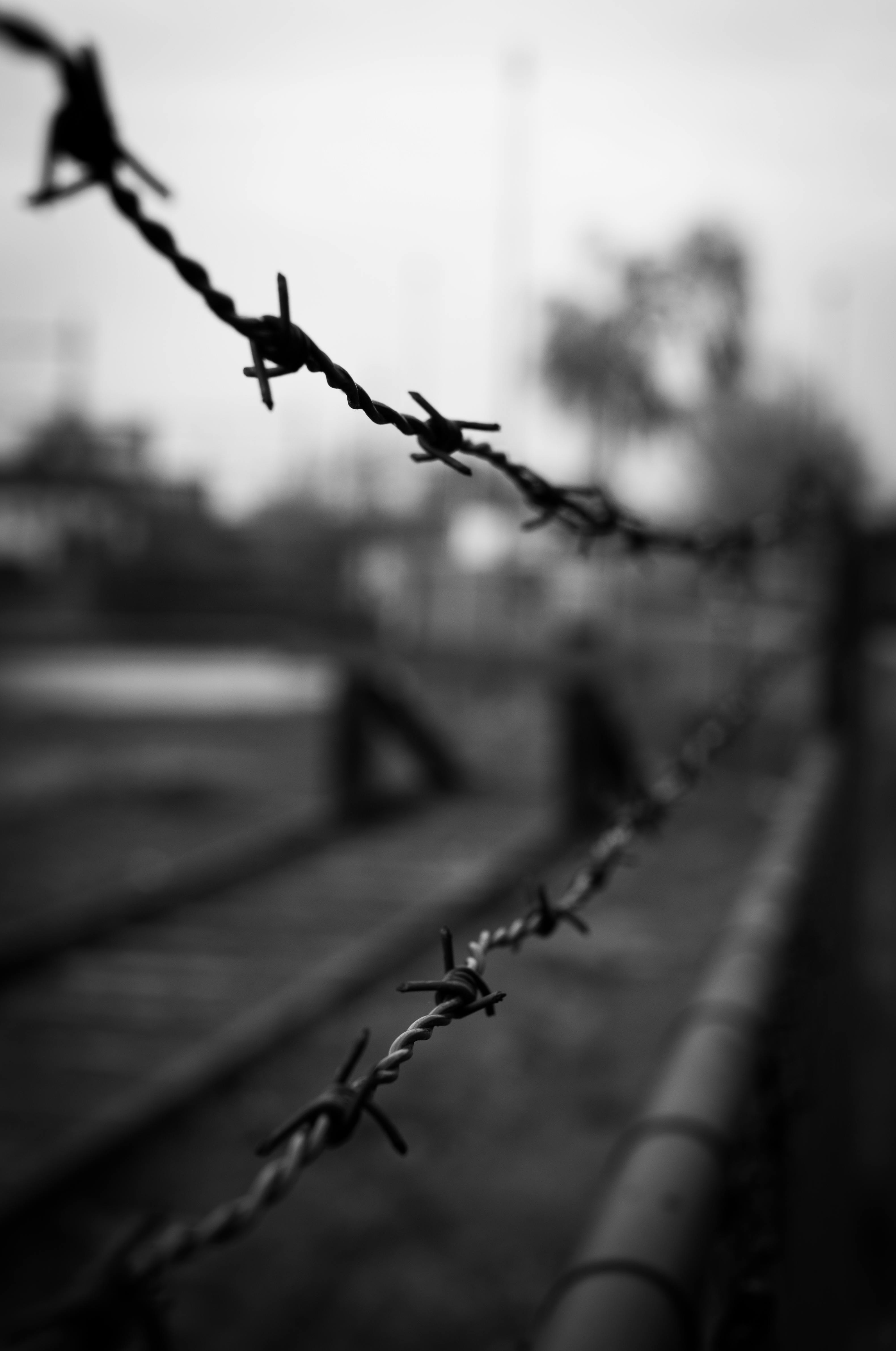
Why are New York children being locked up like hardened criminals?


New York is one of two states- the second is North Carolina- that treats 16- and 17-year-olds, who make up the bulk of all juvenile cases, as adults and not juveniles, regardless of the crime. The focus is on raising the age of criminal responsibility to the age of 18. 

New York's antiquated law is still in place despite research that shows it jeopardizes public safety by increasing the likelihood of reoffending. Research has proven that the adolescent's brain is not fully developed until they are in their 20’s. This is why youth are sometimes more impulsive- and also why youth are more receptive to rehabilitative services.

Treating children as adults in the criminal justice system is short-sighted and ineffective. It is critical for New York to ensure that youth involved in the justice system are provided with court processes, services, and placement facilities that are developmentally appropriate. 

Raising the age will not only produce better outcomes for New York's youth, but has also been proven to better protect public safety with multiple studies showing that youth who receive age-appropriate services are less likely to re-offend. 


Shackling of Juvenile Offenders

http://www.ncsl.org/research/civil-and-criminal-justice/states-that-limit-or-prohibit-juvenile-shackling-and-solitary-confinement635572628.aspx


Many youth are shackled for court appearances regardless of the crime committed. Juvenile offenders who are charged with non-violent crimes and misdemeanors are often restrained with shackles even when thought to not pose safety concerns. Some say shackles and restraints are needed to protect the other individuals in courtrooms, while others argue shackling traumatizes and labels youth. According to the chart in the article, some states have limitations for the use of shackles. Ohio is one of the states that does not have any bans or limitations on the use of shackles for juvenile offenders. What are your thoughts on this topic?

Sunday, January 31, 2016

Mandatory Life Sentencing for Juveniles to be Reviewed


Should juveniles be charged with mandatory life imprisonment without parole?
 In 2012, the Supreme Court ruled "no". 


Now, a six-member majority ruled that previous sentences of juveniles should be reviewed. This means that an estimate of 1,200 to 1,500 inmates charged with mandatory life sentences barring parole for murder will "have a chance to argue that they should be released from prison".  It seems the Supreme Court is continuing to move away from trying children and youth as adults, as the article below quotes: “the ruling’s overarching lesson was that “children’s diminished culpability and heightened capacity for change” cast doubt on mandatory sentences, and that this “harshest possible penalty will be uncommon.”. 

This has sparked quite the debate, what are your thoughts?


Juvenile Crime Debate

http://abcnews.go.com/US/story?id=93887&page=1


"There's no question that they don't stop school shootings," said Mark Soler, president of the Youth Law Center, an advocacy group based in Washington, D.C., that seeks alternatives to incarceration for underage offenders. "I don't think anybody would agree that a change in state policy is going to deter an adolescent — a child — from doing anything. What the laws have done is substitute a broad statement of policy for individualized justice."

This article addresses the debate of how to charge teens and how to prosecute violent crimes. As this article addresses, there is no clear easy way. But this does present that the way we are treating juveniles who commit crime is not benefiting the system or their option for rehabilitation. My opinion is that prevention and being proactive is better than being reactive. I cant imagine working with a family who has lost someone or suffered a violent crime but do we create a system of recidivism by charging youth as adult and sending them to adult facilities. 

So, they offer a suggestion of just severely charging violent juvenile offenders and not other crimes, what do you think?

(Another article I enjoyedhttp://www.rollingstone.com/politics/news/trying-to-fix-americas-broken-juvenile-justice-system-20150122)

Friday, January 29, 2016

Freedom School

http://www.sfchronicle.com/education/article/Oakland-probation-camp-offers-Freedom-School-to-6427407.php?t=60bec14eff00af33be&cmpid=twitter-premium

In California, juveniles who are in the juvenile justice system and required to attend probation camp can also participate in a daily program called Freedom School. During Freedom School, the boys sang, smiled, and danced while learning how to build their self-esteem, hope, and confidence. During the school year, they work at their own pace and are taught things that will help them graduate high school. There are a total of 34 Freedom School programs in California (only some of them are in probation camps). What are your thoughts on this program? What other populations could it benefit?

Thursday, January 28, 2016

Juvenile Offenders and Parole

http://www.npr.org/2016/01/25/464338364/supreme-court-opens-door-to-parole-for-juvenile-lifers#


This week President Obama along with the U.S. Supreme Court has offered "freedom" to many juveniles serving mandatory life sentences for crimes committed as juveniles.  This an interesting and controversial topic.  With this decision upheld and retroactive from 2012, it essentially means that 2,000 men and women could potentially be available for parole.  Throughout the argument of whether it is right or wrong for this happen, it is apparent by the vote of 6-3 the justices felt it was "irreparably corrupt" and "permanently incorrigible."

President Obama Bans Solitary Confinement for Juveniles in Federal Prisons

https://www.washingtonpost.com/politics/obama-bans-solitary-confinement-for-juveniles-in-federal-prisons/2016/01/25/056e14b2-c3a2-11e5-9693-933a4d31bcc8_story.html

President Obama recently banned solitary confinement for juveniles in federal prisons for low-level infractions.  The President's reform put new rules in place such as reducing a max confinement to 60 days instead of 365 days  He stated that Solitary confinement as a form of punishment is "overused and has the potential for devastating psychological consequences".